
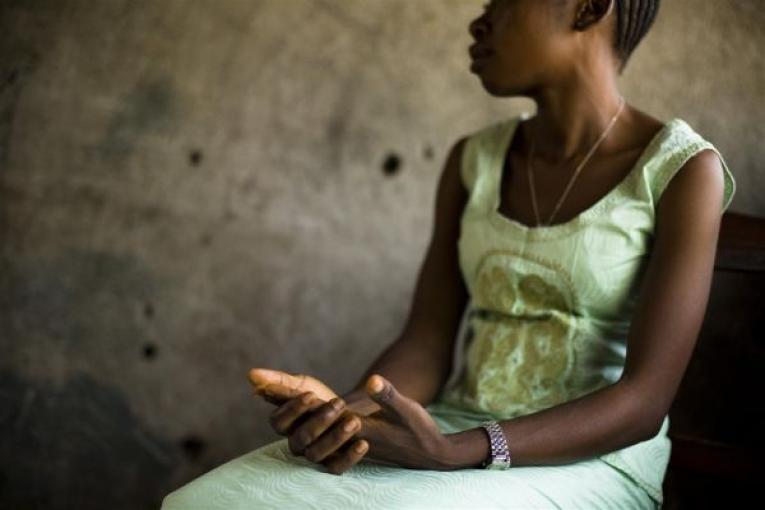
UNICEF/DENVIO/.- Mary Oloiparuni was 13 years old when she was mutilated. Early one morning, she was held in the doorway of her home and cut, causing heavy bleeding and excruciating pain. The scars from that day still cause her pain 19 years later; giving birth to each of her five children has been an excruciating and traumatic experience.
Mary is not alone. At least 200 million girls and women alive today have suffered genital mutilation – one of the most inhumane acts of gender-based violence in the world.
On the International Day of Zero Tolerance for Female Genital Mutilation, we reaffirm our commitment to end this human rights violation, so that the tens of millions of girls who are still at risk of being mutilated by 2030 will not suffer the same experience as Mary.
This is a particularly crucial initiative in view of the long-term physical, psychological and social consequences of female genital mutilation. It violates women’s right to sexual and reproductive health, physical integrity, freedom from discrimination and freedom from cruel or degrading treatment. It is also a violation of medical ethics. Female genital mutilation always carries risks, regardless of who performs it or the cleanliness of the space where it is performed.
Because female genital mutilation is a form of gender-based violence, it cannot be addressed in isolation from other forms of violence against women and girls or other harmful practices such as child and forced marriage. To end female genital mutilation we must address the root causes of gender inequality and work towards women’s social and economic empowerment.
In 2015, world leaders massively supported the inclusion of the elimination of female genital mutilation in the targets of the 2030 Agenda for Sustainable Development. It is an achievable goal, and we must act immediately to translate that political commitment into tangible action.
At the national level, new policies and laws are needed to protect the right of girls and women to live free from violence and discrimination. Governments in countries where female genital mutilation is widespread should also develop national action plans to eradicate the practice. To be effective, the plans must include budget allocations for comprehensive sexual and reproductive health, education, social and legal services.
At the regional level, we need institutions and economic communities to join forces to prevent the cross-border movement of girls and women to countries with less restrictive legislation on female genital mutilation.
At the local level, religious leaders need to debunk the myth that female genital mutilation is based on religion. Since social pressures often drive the practice, more information needs to be provided to individuals and families about the benefits of abandoning FGM.
In this sense, public commitments to its abandonment – especially when undertaken by a community as a whole – constitute an effective model of collective commitment. However, public commitments must be accompanied by comprehensive strategies that challenge the social norms that tolerate female genital mutilation. The testimony of survivors like Mary also contributes to raising awareness of the grim reality of this practice and its prolonged effects on women’s lives. Advocacy campaigns and social media can spread the message that ending female genital mutilation saves and improves lives.
Thanks to the collective action of governments, civil society, communities and individuals, female genital mutilation is on the decline. But we are not satisfied with just reducing the number of cases, we insist on eradicating it.
Source: UNICEF